The History of Kenmure Country Club
|
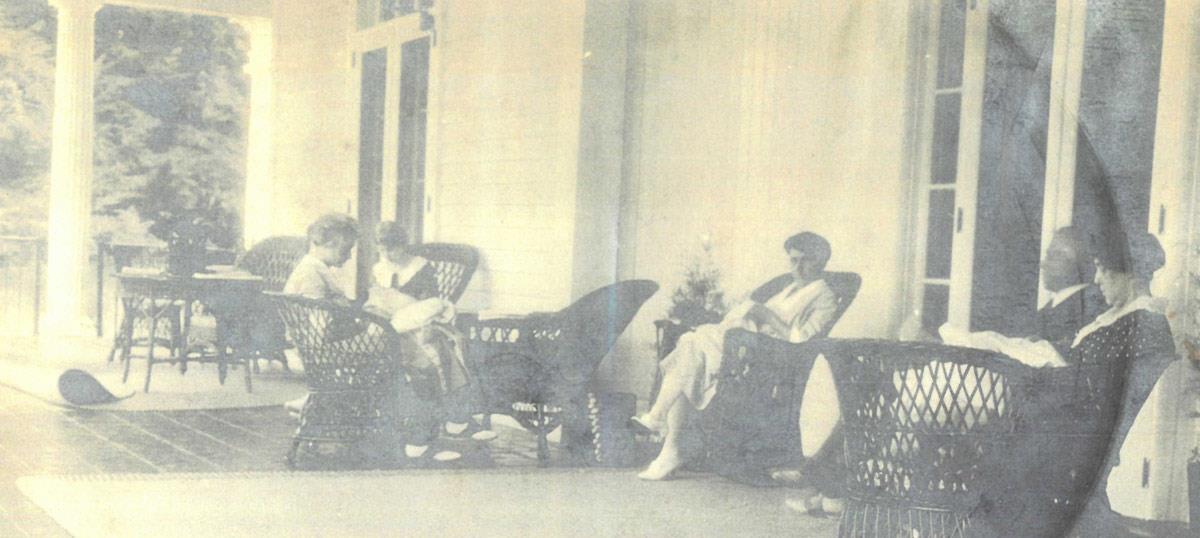
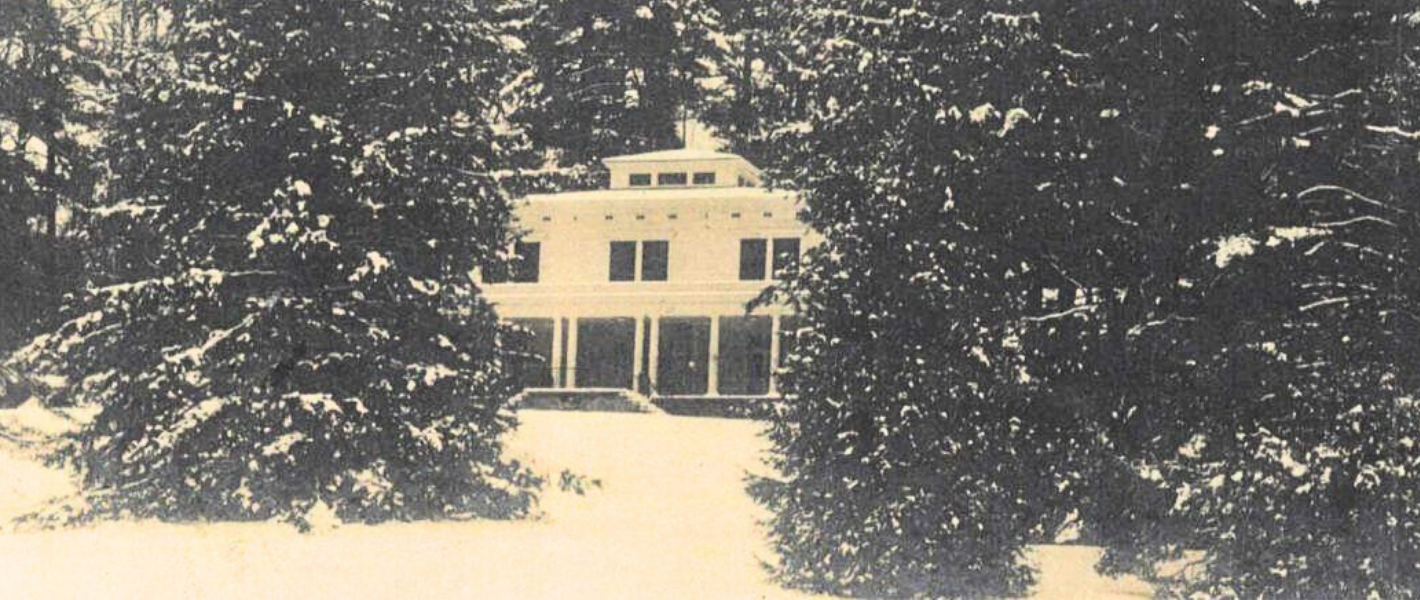
| Nestled in the scenic Blue Ridge Mountains of Hendersonville, North Carolina, Kenmure Country Club is a place where history, natural beauty, and community come together. Its story spans centuries, from the Cherokee people who first inhabited the region to the development of a distinguished mountain estate and, ultimately, the private country club and residential community enjoyed by members today. Throughout its history, Kenmure has evolved while preserving an enduring connection to the land, its architectural heritage, and the traditions of gracious Southern hospitality. The 19th Century: The Birth of a Mountain EstateDuring the 19th century, the mountains of Western North Carolina became an increasingly attractive destination for families seeking relief from the summer heat of the Southern Lowcountry. The area's cooler temperatures, breathtaking mountain scenery, and peaceful surroundings made it an ideal location for seasonal retreats and private estates. Among those drawn to the region was Dr. Mitchell Campbell King, who began acquiring hundreds of acres in the 1830s. By the 1850s, King had established a substantial mountain estate and constructed an impressive residence known as Glenroy. The home reflected the craftsmanship and architectural traditions of its era. Its construction reportedly incorporated techniques associated with skilled shipbuilders, contributing to the strength and distinctive character of the structure. Glenroy became the centerpiece of the property, surrounded by the natural beauty of the Blue Ridge Mountains. Over time, the estate developed into an elegant retreat, with landscaped grounds, gardens, meadows, and carriage paths complementing the original residence. Remarkably, the historic mansion survives today and remains the architectural heart of Kenmure Country Club. Its continued use as the clubhouse provides a tangible connection to the property's 19th-century beginnings. The Early 20th Century: The Kenmure NameAs ownership of the estate changed over the decades, successive families contributed to its character and development. The property retained its identity as a distinguished mountain retreat, blending the elegance of Southern estate life with the natural beauty of Western North Carolina. During the 1920s, the estate acquired the name Kenmure, reflecting an appreciation for Scottish heritage and tradition. The name drew inspiration from Kenmure Castle in Scotland, historically associated with the Gordon family. This Scottish connection introduced a new dimension to the estate's identity, linking its Southern mountain setting with the traditions of the Scottish Highlands. The name Kenmure would endure through the property's transformation from a private estate into a country club and residential community. The Late 20th Century: From Private Estate to Country ClubAs Western North Carolina grew in popularity as both a vacation destination and a place for permanent residence, a new vision emerged for the historic Kenmure property. Rather than remaining an exclusive private estate, the land would become a residential country club community that combined mountain living, recreational opportunities, and an active social environment. Central to this transformation was the development of an 18-hole championship golf course designed by renowned golf course architect Joe Lee. The course was designed to take advantage of the property's rolling terrain, natural elevations, wooded surroundings, and mountain views. Golf became a defining feature of Kenmure, attracting residents and members who appreciated both the challenge of the game and the beauty of its setting. Alongside the golf course, the community developed additional recreational amenities, dining facilities, and gathering places that encouraged an active club lifestyle. Throughout this transformation, the original Glenroy mansion remained a focal point. Rather than replacing the historic residence, the developers incorporated it into the club's identity as the clubhouse, preserving an important connection between Kenmure's past and its future. The result was a distinctive blend of historic architecture, modern recreation, and mountain community living. Kenmure Today: A Community Built Around TraditionToday, Kenmure Country Club represents the continuation of a remarkable history. The historic clubhouse remains a gathering place for members, connecting generations of residents and visitors to the estate's earliest years. The championship golf course continues to serve as a centerpiece of club life, while tennis, pickleball, swimming, fitness, dining, and social activities provide opportunities for members to pursue their interests and develop lasting friendships. Beyond its recreational facilities, Kenmure has become a community defined by member involvement, volunteer leadership, and shared traditions. Club committees, organized activities, special events, and social gatherings contribute to a sense of belonging that extends beyond the golf course and clubhouse. The preservation of the historic mansion, the beauty of the surrounding mountain landscape, and the continued development of club activities reflect an enduring commitment to maintaining Kenmure's distinctive character. Preserving the Past, Embracing the FutureThe history of Kenmure Country Club is more than the story of a mansion, a golf course, or a residential development. It is the story of a place that has evolved through generations while retaining a remarkable sense of identity. From its origins within the Cherokee homeland to the establishment of Glenroy in the 19th century, its renaming as Kenmure in the 1920s, and its transformation into a modern country club community, each era has contributed to the character of the property. Today, members enjoy amenities and traditions that earlier generations could scarcely have imagined, yet the historic mansion and surrounding mountains remain enduring reminders of the land's rich past. Kenmure Country Club stands as a bridge between history and modern mountain living — a place where heritage is preserved, friendships are formed, and new traditions continue to be created for future generations. |